
Love is not just found in grand gestures—it lives quietly in the small moments when someone chooses you, again and again, without being asked. 💖

Love is not just found in grand gestures—it lives quietly in the small moments when someone chooses you, again and again, without being asked. 💖
Peace begins the moment we choose understanding over reaction and kindness over pride.

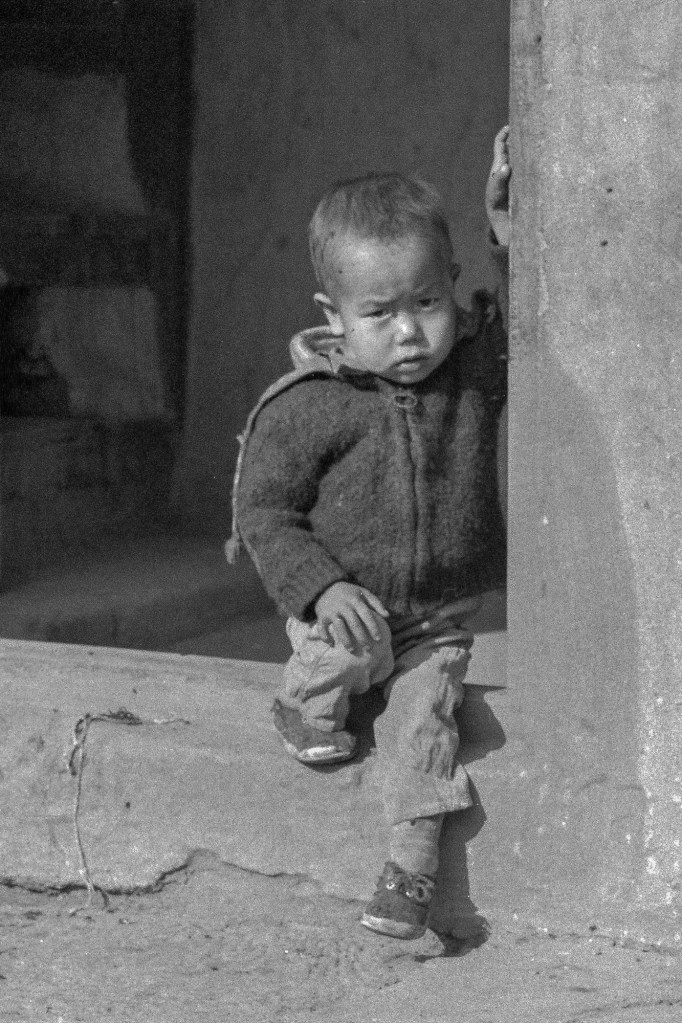
Willy Bright was a boy who grew up in deep poverty in a small, forgotten town. His family lived in a tiny wooden house with cracks in the walls and a roof that leaked whenever it rained. Although life was difficult, Willy carried a quiet determination within him. Even as a child, he believed that his future could be brighter than his circumstances.
To help his family, Willy worked small jobs after school. He cleaned windows, carried groceries, and repaired old radios for neighbors. He saved every coin in a rusty metal box under his bed. While his friends spent their afternoons playing, Willy spent his time learning. He read books about electronics from the library and studied how machines worked by taking apart discarded appliances.
At the age of sixteen, Willy created his first invention: a simple solar-powered lamp made from old parts. Many families in his town did not have consistent electricity, so his lamp was extremely useful. People began buying them, and soon Willy earned enough money to build a tiny workshop behind his house. Inspired by his success, he continued to design better products—solar lights, chargers, and low-cost power devices for families who couldn’t afford expensive electricity.
Willy’s life changed when a journalist wrote a story about his inventions, calling him “The Boy Who Turned Sunlight into Hope.” The article spread across the internet, catching the attention of investors and engineers. With their support, Willy founded his company, BrightTech Innovations, at the age of twenty. His goal was to create affordable renewable energy solutions for poor communities around the world.
After years of hard work, BrightTech released a solar grid system that could power entire villages at a very low cost. This invention became a global breakthrough. Governments and organisations quickly adopted it, and BrightTech grew into a major international company. By the age of twenty-seven, Willy Bright became a billionaire.
Despite his enormous success, Willy never forgot where he came from. He used his wealth to rebuild homes in his old town, open a free technology school for children, and donate solar systems to communities in need. Willy always said that he was not born lucky but that he believed in himself and worked tirelessly for his dreams.
Willy Bright’s journey from poverty to becoming a billionaire shows that hard work, determination, and belief in one’s dreams can transform even the darkest beginnings into a bright and inspiring future.

On a quiet evening in the small town of Glenridge, the sky shimmered with an unusual luminescence. Most townsfolk were indoors, oblivious to the celestial spectacle, but twelve-year-old Emma Parker had her telescope trained on the heavens, as she did every clear night. She was the first to see it—a bright, fast-moving object streaking across the sky, much larger and brighter than any meteor she had ever seen.
Emma’s heart raced as the object slowed down and descended behind the hills just outside of town. She grabbed her flashlight and her backpack, hastily stuffed with essentials—a water bottle, a notebook, some snacks—and dashed out the door, shouting a quick explanation to her puzzled parents.
The trek through the woods was both thrilling and terrifying. As Emma approached the landing site, she could see a faint glow emanating from beyond the trees. She slowed her pace, moving cautiously toward the light. When she finally broke through the last of the foliage, she gasped.
There, in a small clearing, sat a sleek, metallic spacecraft. Its surface was smooth and mirror-like, reflecting the surrounding trees and the starry sky. As she watched in awe, a hatch slowly opened, and a figure emerged.
The being was tall and slender, with luminescent skin that shifted colors like a gentle aurora. Its large, expressive eyes scanned the area, finally settling on Emma. Despite her fear, Emma felt an inexplicable sense of calm and curiosity. The alien raised a delicate, four-fingered hand in a gesture that seemed universal—peace.
Emma hesitated but then took a step forward. “Hello,” she called softly, her voice trembling. “I’m Emma.”
The alien tilted its head, and to Emma’s amazement, it responded in perfect English. “Greetings, Emma. I am Liora from the planet Elara. I mean no harm. I seek knowledge and understanding of your world.”
Emma’s fear dissipated, replaced by excitement. She had so many questions, but she started with the most pressing one. “Why did you come to Earth?”
Liora’s eyes sparkled. “We have observed your planet for many cycles. Your people’s curiosity and creativity intrigue us. I have come to learn from you, to exchange knowledge that might benefit both our worlds.”
Over the next few days, Emma and Liora spent hours talking. Liora shared stories of Elara, a world of advanced technology and harmonious coexistence with nature. In return, Emma taught Liora about Earth—its diverse cultures, history, and the challenges humanity faced.
The townspeople eventually discovered Liora, but to Emma’s surprise, they welcomed the visitor with open arms. Scientists, leaders, and ordinary citizens gathered, eager to learn from the alien and share their own knowledge. Liora’s presence sparked a global movement of unity and cooperation, as people from all corners of the world came together to embrace the opportunity.
As weeks turned into months, Liora’s mission of understanding blossomed into a deep bond between Earth and Elara. Technology exchanges improved lives, and new perspectives inspired solutions to longstanding problems. Emma, now recognized as a key figure in this historic encounter, continued to be Liora’s closest friend and confidant.
When it was time for Liora to return to Elara, there were tears and heartfelt goodbyes. Emma stood at the edge of the clearing, watching as the spacecraft lifted off. Liora’s final message echoed in her mind: “Our worlds are now forever connected. Continue to seek knowledge, Emma, and never lose your sense of wonder.”
As the ship disappeared into the night sky, Emma felt a profound sense of hope. The stars above seemed brighter, and the world below seemed smaller, united by a shared future filled with endless possibilities.

On a warm Saturday afternoon, the local park buzzed with the excited chatter of children. Today was the day of the much-anticipated cricket match between the neighborhood teams: the Oakwood Tigers and the Maplewood Lions. The makeshift cricket field, marked with chalk lines and makeshift stumps, awaited the eager players.
The Tigers, captained by ten-year-old Sam, were a spirited bunch. Sam, with his bright red cap and confident grin, rallied his team with a pep talk. “Remember, it’s all about having fun. But let’s give it our best shot!”
On the other side, the Lions were led by Lucy, an eleven-year-old with a fierce competitive streak. Her team had been practicing all week, and she was determined to lead them to victory. “Let’s show them what we’ve got!” she said, her voice brimming with enthusiasm.
The coin was tossed, and the Lions chose to bat first. The crowd, made up of parents, siblings, and curious onlookers, cheered as the first batter, Max, took his position. Sam handed the ball to his best bowler, Rahul, a lanky kid with a powerful arm. Rahul’s first delivery was fast and straight, but Max was ready. With a loud crack, he sent the ball soaring towards the boundary. The Lions were off to a good start.
As the game progressed, the Lions racked up runs. Lucy played a captain’s innings, hitting boundaries with ease and encouraging her teammates. By the end of their innings, the Lions had set a challenging target of 120 runs.
The Tigers took to the crease with determination. Sam and his opening partner, Jenny, started cautiously. The Lions’ bowlers, led by Lucy, bowled tightly, making runs hard to come by. But Sam and Jenny’s patience paid off. Sam, with a well-timed shot, hit the first six of the innings, igniting the hopes of the Tigers.
The match ebbed and flowed. Each team had its moments of brilliance. Rahul, batting at number three, played a crucial role, hitting several boundaries and keeping the scoreboard ticking. The crowd was on the edge of their seats as the Tigers edged closer to the target.
With just ten runs needed off the last over, the tension was palpable. Lucy handed the ball to Max, trusting his ability to bowl under pressure. Sam faced the first ball and struck it for a boundary, narrowing the gap. The next ball was a dot, followed by a single.
Now, with five runs needed from three balls, it was Rahul’s turn. He swung hard and missed the first one. The second delivery was a yorker, which he managed to dig out for a couple of runs. Three runs were needed off the last ball.
Max ran in for the final delivery. Rahul swung his bat with all his might, and the ball flew high into the air. The fielders watched in anticipation as it soared over their heads and landed just inside the boundary rope. The Tigers erupted in joy, having won the match by a whisker.
Both teams shook hands, their rivalry forgotten in the spirit of sportsmanship. As the sun set, casting a golden glow over the park, the children dispersed, already talking about the next match. For today, they had played not just for victory, but for the pure joy of the game.
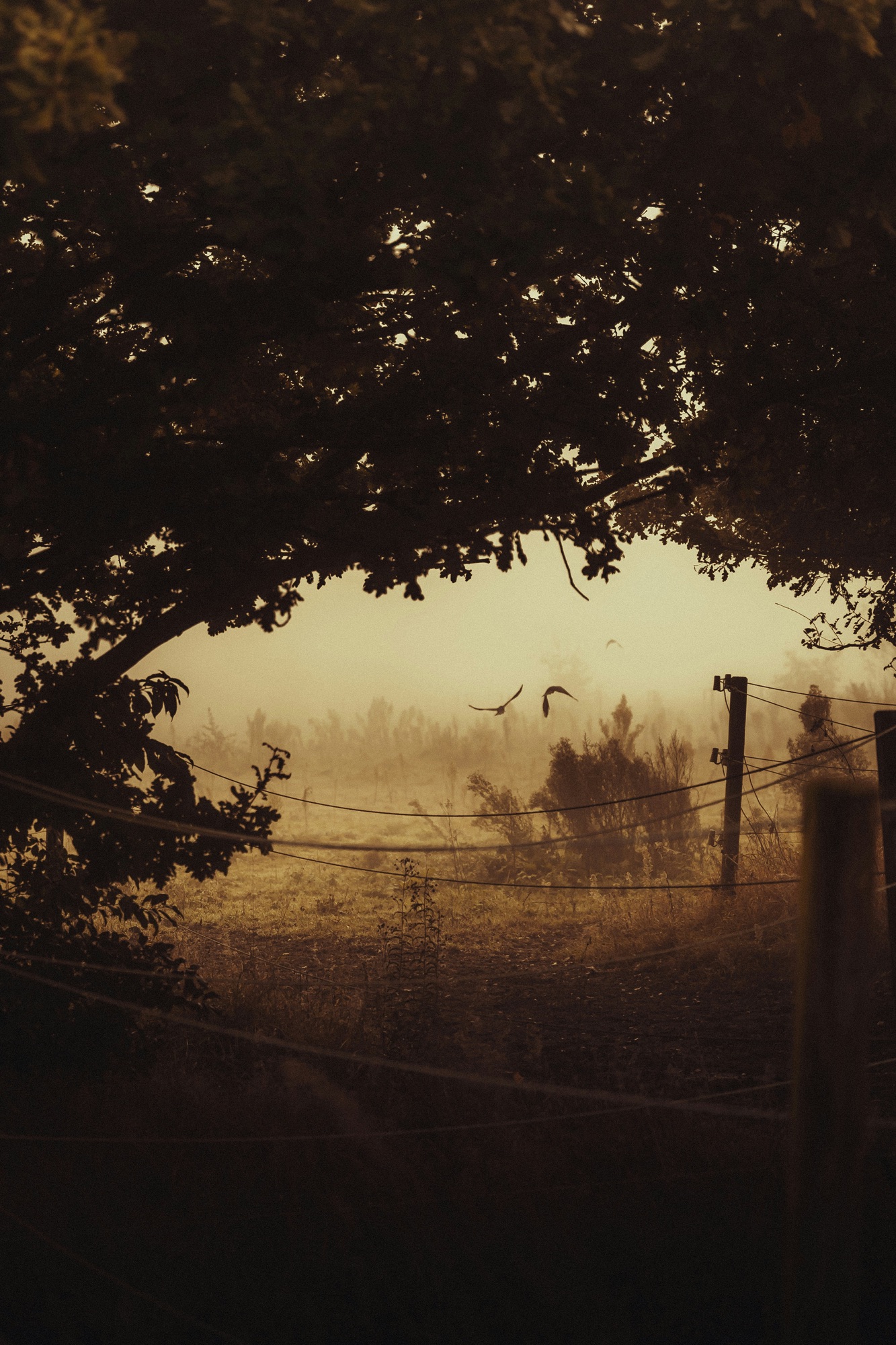
The first light of dawn painted the sky in soft hues of pink and gold, gently awakening the world. In the small, sleepy village of Willow Glen, nestled between rolling hills and ancient forests, a chorus began to stir. It was the sound of morning birds, a harmonious symphony that heralded the arrival of a new day.
Emma, a young girl with a love for nature, lay in her bed, listening intently to the melodic tunes drifting through her open window. She closed her eyes and let the music wash over her, each note filling her with a sense of peace and wonder. The song of the robins, with their cheerful chirps, mingled with the melodious warble of the thrushes. High above, a lark’s sweet trill soared, a perfect counterpoint to the soft cooing of the doves in the trees below.
Unable to resist the call of the morning, Emma sprang out of bed and tiptoed down the stairs, careful not to wake her parents. She slipped on her boots and grabbed her jacket, then quietly opened the front door and stepped outside. The cool, crisp air greeted her, and she took a deep breath, savoring the fresh scent of dew-covered grass and blooming flowers.
As she walked down the winding path that led to the heart of the forest, the bird songs grew louder, enveloping her in their natural beauty. She marveled at how each bird seemed to know its part, contributing to a symphony that felt both spontaneous and perfectly orchestrated.
Emma reached her favorite spot, a small clearing surrounded by towering oaks and birches. She sat on a fallen log and closed her eyes, letting the sounds of the morning fill her senses. The flitting of wings, the rustle of leaves, and the occasional rustling of small creatures in the underbrush blended seamlessly with the birds’ melodies.
In that moment, Emma felt a profound connection to the world around her. The music of the birds seemed to tell a story, one of life and renewal, of hope and joy. It was a reminder that even in the simplest moments, there was beauty to be found, if only one took the time to listen.
As the sun climbed higher in the sky, the chorus gradually subsided, and the village began to stir with the sounds of daily life. Emma reluctantly stood and made her way back home, her heart full and her spirit lifted. She knew that the memory of the morning birds’ song would stay with her, a timeless melody that would always remind her of the beauty of the world at dawn.

The morning dawned with a gentle hush, the sky a blanket of soft, silvery gray. The first raindrops fell like whispers, delicate and tentative, tapping on the rooftops and dancing on the leaves. The air smelled fresh and earthy, carrying the scent of wet soil and blooming flowers, a promise of renewal and tranquility.
In a cozy little house at the edge of town, Anna woke up to the soothing sound of rain. She stretched lazily, savoring the rare delight of a rainy day off from work. She made her way to the kitchen, where she brewed a pot of coffee, the rich aroma blending harmoniously with the scent of the rain.
With a steaming mug in hand, Anna settled by the window, wrapped in a warm blanket. She watched as the raindrops painted patterns on the glass, rivulets winding their way down like miniature rivers. The garden outside, usually a riot of colors, was now a serene watercolor painting, the vibrant hues softened by the rain.
The world seemed to slow down, the usual hustle and bustle replaced by a peaceful stillness. Birds huddled under the eaves, their feathers fluffed against the wet. Squirrels scampered up the trees, seeking refuge in the dense canopy. The raindrops played a gentle symphony, a soothing background to Anna’s thoughts.
Feeling inspired, Anna pulled out her sketchbook and pencils. She hadn’t drawn in months, her busy schedule leaving little room for creativity. But today, the rain coaxed out her dormant artistry. She began to sketch the scene before her: the garden, the trees, the raindrops. Her hand moved effortlessly, capturing the essence of the rainy day, the beauty in its tranquility.
Hours passed unnoticed as Anna lost herself in her art. When she finally looked up, the rain had lessened, now a gentle drizzle. The sky was lighter, hints of blue peeking through the clouds. She stepped outside, her sketchbook in hand, and wandered into the garden. The flowers glistened with raindrops, each petal a masterpiece of nature. She found a bench under the old oak tree and sat down, the damp wood cool against her legs.
As she admired her surroundings, Anna felt a deep sense of contentment. The rain had brought a day of quiet reflection, a pause from the demands of everyday life. It was a reminder of the simple joys, the beauty in slowing down and appreciating the world around her.
The rain continued to fall gently, a lullaby for the earth. And as Anna sat there, amidst the whispering leaves and the soft patter of raindrops, she felt a profound connection to the world, to nature, and to herself. It was a beautiful rainy day, a day of peace, creativity, and renewal.

Once upon a time, in the heart of a vibrant and diverse nation called Valtoria, lived a man named Leon Karsten. Leon was known far and wide for his unyielding pride, a trait he carried with him from his humble beginnings to his eventual rise to power. Born in a small village, he grew up hearing tales of great leaders and dreamed of one day becoming a figure of such stature himself.
From an early age, Leon’s confidence was evident. He excelled in his studies, often standing out not just for his academic prowess but for his unwavering belief in his abilities. His teachers saw him as a natural leader, and his peers both admired and envied his self-assuredness. He moved to the capital, determined to make a name for himself in the bustling political arena.
Valtoria was a nation of contrasts, with towering skyscrapers and sprawling rural landscapes, rich cultural heritage, and diverse communities. It was also a nation in need of strong leadership. The political scene was marred by corruption and inefficiency, and the people yearned for change. Leon saw this as his moment.
He started his political career as a local councilman, where his pride often put him at odds with other council members. However, his charisma and unshakeable belief in his vision for Valtoria won him the support of the people. He promised to rid the government of corruption, to bring prosperity to every corner of the nation, and to restore Valtoria’s pride on the global stage.
His journey to the presidency was not without challenges. Opponents tried to undermine him, painting his pride as arrogance and questioning his ability to lead a nation. But Leon remained steadfast. He toured the country, listening to the concerns of farmers, factory workers, and business owners. He spoke passionately about his vision, convincing many that his pride was not self-serving but a reflection of his unwavering commitment to the nation’s greatness.
The election season was fierce. Leon’s main rival was a seasoned politician who represented the old guard. The debates were fiery, with Leon often criticized for his prideful demeanor. But each criticism only seemed to strengthen his resolve. He spoke eloquently about his plans for economic reform, his strategies for improving education and healthcare, and his dream of a united Valtoria where every citizen felt a sense of pride and belonging.
On election day, the people of Valtoria made their voices heard. Leon Karsten won by a landslide, becoming the youngest president in the nation’s history. His inauguration was a grand affair, attended by dignitaries from around the world. As he took the oath of office, Leon’s pride was palpable, but it was now coupled with a deep sense of responsibility.
President Karsten set to work immediately. He reformed the government, introducing measures to increase transparency and accountability. He invested heavily in infrastructure, education, and healthcare, ensuring that the benefits of progress reached even the most remote villages. His pride in Valtoria was infectious, and under his leadership, the nation began to thrive.
Internationally, Leon represented Valtoria with dignity and confidence. He forged strong alliances and ensured that his country was respected on the global stage. His pride in Valtoria’s achievements inspired a renewed sense of national identity and unity among its people.
As years passed, Leon Karsten’s presidency was looked back upon as a golden era for Valtoria. His pride, once seen as a potential flaw, became a symbol of his unwavering dedication to his country. He retired with a legacy that many aspired to but few could match. The people of Valtoria remembered him not just as a proud man, but as a leader whose belief in himself and his nation brought about an era of unprecedented prosperity and unity.

Eddie Thompson had been homeless for nearly a decade. His once-promising career in advertising had crumbled under the weight of addiction, leaving him to roam the streets of New York City, carrying everything he owned in a battered backpack. Eddie’s days were a blur of searching for food, warmth, and safety. His only solace was the occasional conversation with other street dwellers who shared his plight.
One frigid November afternoon, Eddie found himself in front of a small convenience store on the corner of 7th Avenue. The store owner, Mr. Patel, knew Eddie well enough to offer him a hot coffee on particularly cold days. As Eddie cradled the warm cup in his hands, he noticed a bright yellow poster announcing a $50 million lottery jackpot. He chuckled to himself. “Like I’d ever win that,” he thought.
As a force of habit, Eddie rummaged through his pockets and found a crumpled dollar bill and some loose change. On a whim, he decided to buy a lottery ticket. “Why not?” he muttered, handing over his last dollar to Mr. Patel. The store owner gave him a sympathetic smile and wished him luck.
Days turned into weeks, and Eddie forgot about the ticket entirely. Life on the streets had a way of making days blend together, each one a struggle for survival. One evening, as he sought shelter in a small park, he overheard a group of people excitedly discussing the winning lottery numbers. Eddie’s heart skipped a beat as he remembered his ticket. He frantically dug through his backpack until he found the crumpled slip of paper.
With trembling hands, Eddie compared his numbers to those announced on a nearby radio. His vision blurred as he realized he held the winning ticket. He couldn’t believe it. Was this some kind of cruel joke? But the numbers matched perfectly. He was now the winner of $50 million.
Unsure of what to do next, Eddie found his way back to Mr. Patel’s store. The store owner’s eyes widened in disbelief as Eddie explained his situation. “Eddie, you need to go claim your prize immediately,” Mr. Patel urged, offering to call a cab to take him to the lottery headquarters.
The following hours were a whirlwind. Eddie was greeted with astonished looks and polite congratulations as he entered the lottery office. The officials verified his ticket, and within days, the money was transferred to a bank account set up in his name.
Eddie’s life changed overnight. He rented a modest apartment, bought new clothes, and began to rebuild his life. But the money didn’t just change his circumstances; it changed his perspective. He remembered the people he had met during his years on the streets, the ones who had shared their meager possessions and offered a kind word when he needed it most.
Determined to give back, Eddie set up a foundation to help the homeless. He funded shelters, job training programs, and addiction recovery centers. He knew firsthand the struggles these people faced and was committed to making a difference.
Years later, Eddie was known not just as a lottery winner, but as a philanthropist who had transformed his windfall into a force for good. He often visited the shelters and programs he supported, sharing his story and offering hope to those who needed it most. Eddie Thompson had gone from being a man with nothing to a man who gave everything, and in doing so, he found the redemption he had longed for.
Eddie never forgot the cold November day when he bought that fateful ticket. He often wondered if it was luck, destiny, or something else entirely. Whatever it was, he was grateful for the chance to turn his life around and to help others do the same.
Have a WordPress.com account? Log in now.

