
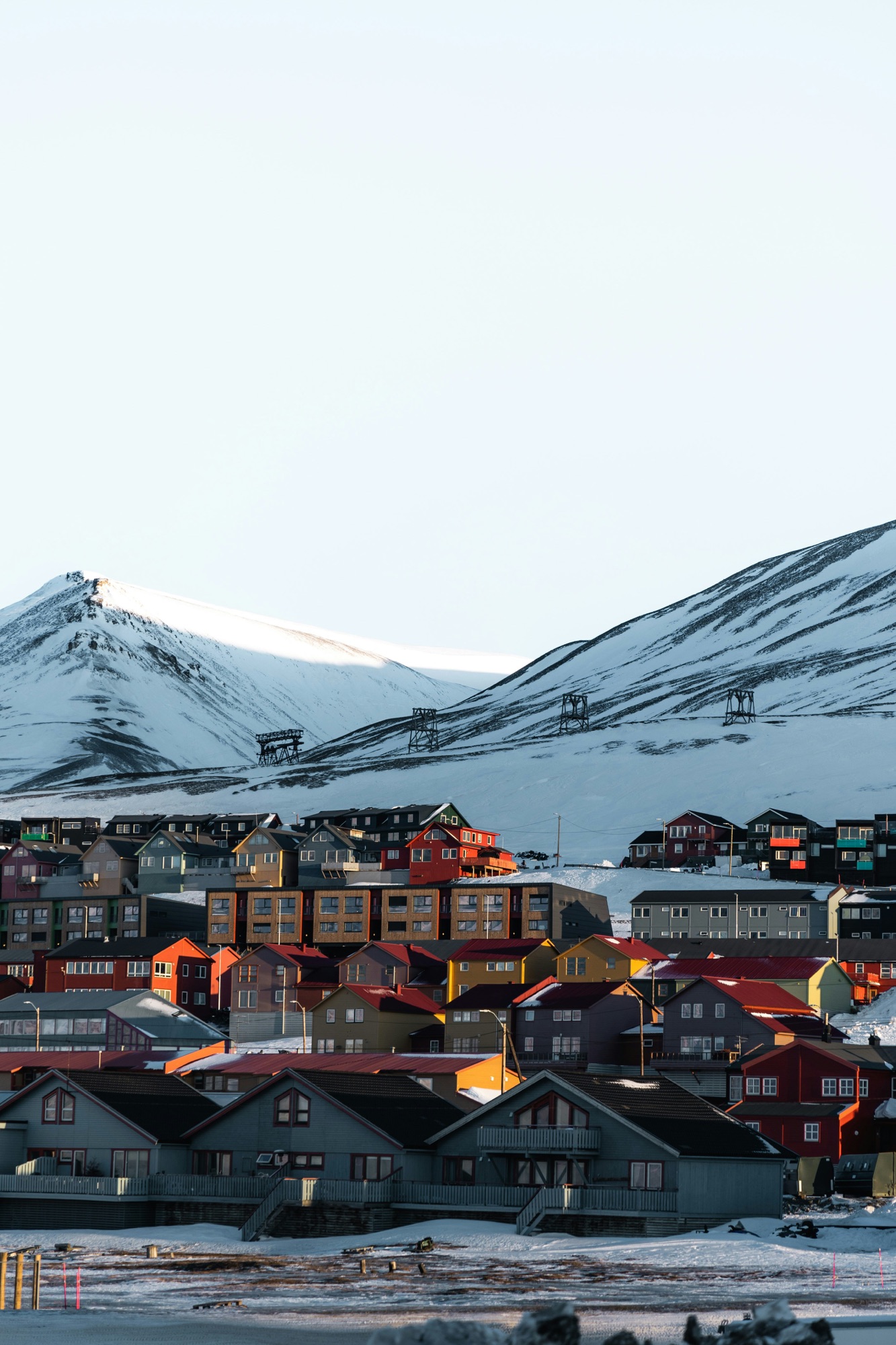
Once upon a time, in the heart of a vibrant and diverse nation called Valtoria, lived a man named Leon Karsten. Leon was known far and wide for his unyielding pride, a trait he carried with him from his humble beginnings to his eventual rise to power. Born in a small village, he grew up hearing tales of great leaders and dreamed of one day becoming a figure of such stature himself.
From an early age, Leon’s confidence was evident. He excelled in his studies, often standing out not just for his academic prowess but for his unwavering belief in his abilities. His teachers saw him as a natural leader, and his peers both admired and envied his self-assuredness. He moved to the capital, determined to make a name for himself in the bustling political arena.
Valtoria was a nation of contrasts, with towering skyscrapers and sprawling rural landscapes, rich cultural heritage, and diverse communities. It was also a nation in need of strong leadership. The political scene was marred by corruption and inefficiency, and the people yearned for change. Leon saw this as his moment.
He started his political career as a local councilman, where his pride often put him at odds with other council members. However, his charisma and unshakeable belief in his vision for Valtoria won him the support of the people. He promised to rid the government of corruption, to bring prosperity to every corner of the nation, and to restore Valtoria’s pride on the global stage.
His journey to the presidency was not without challenges. Opponents tried to undermine him, painting his pride as arrogance and questioning his ability to lead a nation. But Leon remained steadfast. He toured the country, listening to the concerns of farmers, factory workers, and business owners. He spoke passionately about his vision, convincing many that his pride was not self-serving but a reflection of his unwavering commitment to the nation’s greatness.
The election season was fierce. Leon’s main rival was a seasoned politician who represented the old guard. The debates were fiery, with Leon often criticized for his prideful demeanor. But each criticism only seemed to strengthen his resolve. He spoke eloquently about his plans for economic reform, his strategies for improving education and healthcare, and his dream of a united Valtoria where every citizen felt a sense of pride and belonging.
On election day, the people of Valtoria made their voices heard. Leon Karsten won by a landslide, becoming the youngest president in the nation’s history. His inauguration was a grand affair, attended by dignitaries from around the world. As he took the oath of office, Leon’s pride was palpable, but it was now coupled with a deep sense of responsibility.
President Karsten set to work immediately. He reformed the government, introducing measures to increase transparency and accountability. He invested heavily in infrastructure, education, and healthcare, ensuring that the benefits of progress reached even the most remote villages. His pride in Valtoria was infectious, and under his leadership, the nation began to thrive.
Internationally, Leon represented Valtoria with dignity and confidence. He forged strong alliances and ensured that his country was respected on the global stage. His pride in Valtoria’s achievements inspired a renewed sense of national identity and unity among its people.
As years passed, Leon Karsten’s presidency was looked back upon as a golden era for Valtoria. His pride, once seen as a potential flaw, became a symbol of his unwavering dedication to his country. He retired with a legacy that many aspired to but few could match. The people of Valtoria remembered him not just as a proud man, but as a leader whose belief in himself and his nation brought about an era of unprecedented prosperity and unity.

