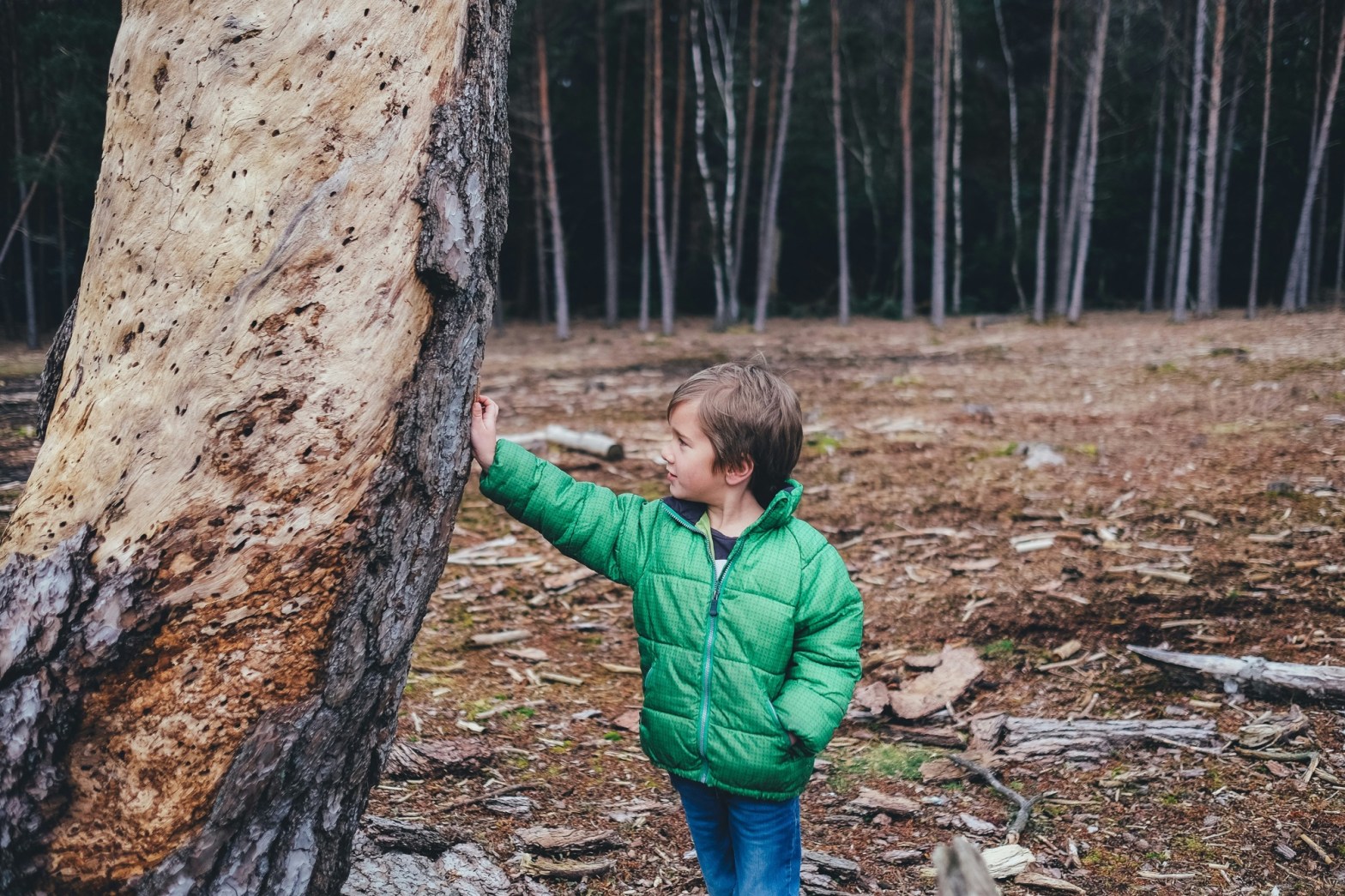

Haunted tunnel of Ravensbrook

In the quaint village of Ravensbrook, nestled between rolling hills and dense forests, there lay a forgotten tunnel. Carved into the rocky hillside, this tunnel had long been abandoned, its entrance half-hidden by creeping ivy and moss. The villagers rarely spoke of it, and children were warned to stay away.

The legend of the haunted tunnel began many decades ago. It was said that the tunnel was built during the late 1800s as a passage for miners to transport their haul from a nearby quarry. However, one fateful night, a catastrophic cave-in occurred, trapping a dozen miners inside. Despite frantic efforts to rescue them, the tunnel was sealed, becoming their tomb.

Years passed, and the tunnel fell into disuse, its history fading into whispered stories. But some claimed that on certain moonlit nights, eerie sounds emanated from its depths—muffled cries, the echo of pickaxes, and the faintest strains of a haunting melody. The village’s older residents spoke of seeing ghostly figures near the tunnel entrance, their faces pale and eyes hollow, forever seeking escape.

Curiosity got the better of many brave souls, but none ventured far into the tunnel without feeling an overwhelming sense of dread. Some emerged pale and shaken, claiming to have seen shadowy apparitions and felt icy hands brushing against their skin. One young man, Thomas, returned with his hair turned white, muttering incoherently about the eyes watching from the darkness.

One autumn evening, a new family moved into the village. The Marshalls had heard the rumors but dismissed them as mere superstition. Their teenage daughter, Emily, fascinated by the paranormal, decided to explore the tunnel herself. Armed with a flashlight and her trusty camera, she ventured into the darkness, determined to uncover the truth.

As she entered the tunnel, the air grew cold and heavy, and the beam of her flashlight flickered. Undeterred, Emily pressed on, snapping photos of the eerie passage. Suddenly, the light went out, plunging her into blackness. She fumbled to turn it back on, but in the silence, she heard it—a faint, sorrowful melody, like a lullaby sung from the depths of despair.

Heart pounding, Emily continued forward, drawn by the music. She saw a dim light ahead and approached cautiously. There, she found a small alcove with a rusted lantern glowing faintly. In its light, the figures of the trapped miners appeared, their faces etched with sorrow and longing. They reached out to her, their spectral hands passing through her skin, sending chills down her spine.

One miner, a young man with kind eyes, stepped forward. His voice, barely a whisper, echoed in her mind. “Help us,” he pleaded. “We are trapped between worlds, seeking peace.”

Tears welled in Emily’s eyes as she realized the truth of their suffering. She promised to help them find rest and hurried back to the village to tell her story. The villagers, moved by her account, gathered at the tunnel entrance the following night. They brought candles, flowers, and offerings, reciting prayers and holding a vigil for the lost souls.

As the moon rose high, a soft glow emanated from the tunnel, and the air grew warm. The villagers watched in awe as the spectral figures emerged, their faces serene and peaceful. The miners nodded in gratitude before slowly dissipating into the night, their spirits finally free.

From that day forward, the tunnel was no longer a place of fear but one of remembrance. The villagers honored the memory of the lost miners, and the eerie sounds ceased. Ravensbrook returned to its quiet, serene existence, and the haunted tunnel became a symbol of hope and redemption, a testament to the power of compassion and the enduring strength of community.

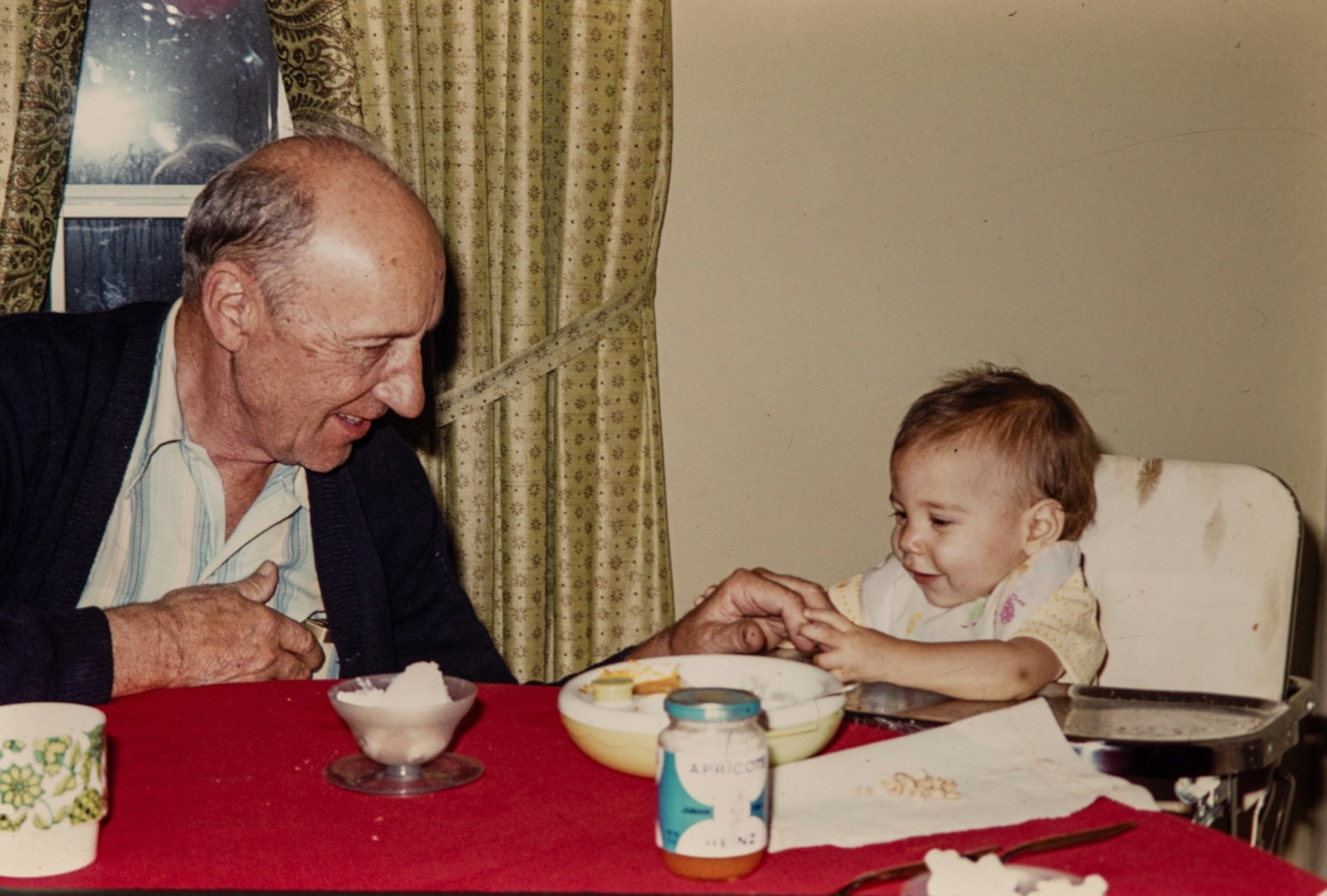
Twist in Arjun life, A journey from village to city.

Once upon a time, in a small village nestled among rolling hills and lush green fields, lived a man named Arjun. Arjun was a farmer, like his father and grandfather before him. His days were filled with the rhythm of the seasons: planting, tending, and harvesting crops. Though his life was simple, it was fulfilling.

One day, Arjun received a letter from his cousin Raj, who lived in the bustling city of Mumbai. Raj wrote about the endless opportunities in the city and urged Arjun to visit. Intrigued and a bit apprehensive, Arjun decided it was time to see what lay beyond the boundaries of his village.

Arjun’s departure was a momentous event. The entire village gathered to bid him farewell. His mother packed him a basket of homemade food, while his father gave him a small sack of money, the family’s savings. With a heavy heart and a sense of adventure, Arjun boarded the bus to Mumbai.

The journey was long and winding. As the bus drew closer to the city, the landscape began to change. Fields gave way to concrete, and the air grew thick with noise and dust. Arjun’s eyes widened as he saw towering skyscrapers, a sight unimaginable in his village.

Upon arriving in Mumbai, Arjun was overwhelmed. The streets were teeming with people, each seemingly in a hurry. Cars honked incessantly, and neon signs flashed brightly. Raj met him at the bus station, his face a familiar and comforting sight amidst the chaos.

For the first few days, Raj showed Arjun around the city. They visited markets, where the array of goods dazzled Arjun. He marveled at the tall buildings, the likes of which he had only seen in pictures. Despite the excitement, Arjun found it challenging to adjust. The city was noisy, crowded, and the air felt heavy.

Raj helped Arjun find a job at a construction site. The work was hard, but Arjun was no stranger to labor. He toiled from dawn till dusk, the same way he did on his farm, but the environment was different. The camaraderie among the workers reminded him of his village, providing some comfort.

Months passed, and Arjun began to adapt. He learned the quickest routes to navigate the city, made friends with his coworkers, and even started to enjoy the occasional city treat. Despite the hustle and bustle, he found pockets of peace in parks and quiet streets.

One evening, after a long day of work, Arjun sat on a bench overlooking the city skyline. He reflected on his journey from the village to the city. The city had taught him resilience and adaptability. Though he missed the simplicity of his village, he appreciated the opportunities and experiences the city offered.

Arjun decided to stay in Mumbai but planned regular visits to his village. He wanted to bridge the gap between the two worlds, bringing a piece of the city’s opportunities back to his village. His dream was to improve the lives of his fellow villagers, helping them to see the potential beyond their fields while preserving the essence of their simple, fulfilling life.

And so, Arjun became a man of both worlds, blending the values of his village upbringing with the lessons learned in the city. His story became an inspiration, a testament to the strength of the human spirit and the endless possibilities that come with embracing change.

Baby Micheal in a Restaurant

In a quaint little restaurant known for its lively atmosphere and scrumptious food, a baby named Michael was causing quite a stir. Michael was no ordinary baby. At a mere 18 months old, he had the energy of a caffeinated squirrel and the curiosity of a cat. His parents, tired but loving, decided to take him out for a family dinner, hoping a change of scenery might calm him down.

As soon as they walked through the door, Michael’s eyes lit up like fireworks. The sight of so many people, the smell of delicious food, and the clinking of utensils were all so exciting. He wriggled in his high chair, waving his tiny arms as if conducting an invisible orchestra.

The waiter approached with a friendly smile, carrying a basket of breadsticks. Michael’s eyes widened with delight. Breadsticks were his favorite! But instead of eating them, he had other plans. With surprising dexterity, he grabbed a breadstick in each hand and started drumming on the table, much to the amusement of nearby diners.

“Look, he’s a natural!” one of the patrons joked.

Michael’s parents, slightly embarrassed but mostly amused, tried to redirect his attention to the menu. But Michael was on a roll. Next, he spotted a bowl of spaghetti on a nearby table and decided it would make an excellent hat. In a flash, he managed to grab a handful of spaghetti and plopped it right on top of his head. The restaurant erupted in laughter.

His dad quickly removed the spaghetti hat, but Michael was already onto his next adventure. He reached for a spoon and, with a look of intense concentration, catapulted a pea across the room. The pea landed perfectly in an unsuspecting gentleman’s soup, who looked up in surprise before joining in the laughter.

Meanwhile, the waitstaff, entertained by the spectacle, started playing along. One waiter brought a tiny dish of mashed potatoes and, with a wink, presented it to Michael as if he were royalty. Michael accepted it with a serious nod, only to smear it all over his face like war paint.

Just when his parents thought they had seen it all, Michael discovered the joy of blowing raspberries with a mouthful of juice. A fine mist of apple juice sprayed across the table, hitting his mother, who couldn’t help but laugh despite the sticky situation.

By the end of the meal, the restaurant looked like a tornado had passed through, but no one seemed to mind. Michael had brought an unexpected dose of joy and laughter to everyone. As they left, the manager handed Michael a tiny chef’s hat, saying, “Come back anytime, Chef Michael!”

Michael beamed, his parents shook their heads in good-natured exasperation, and the restaurant patrons waved goodbye to the little whirlwind that had made their evening unforgettable.

The Ghost of Pine Hollow

Setting the Scene

It was late October, and a group of friends—Alex, Megan, Sam, and Jess—decided to go on a camping trip to Pine Hollow, a dense forest known for its serene beauty and eerie folklore. The campsite was a two-hour drive from the nearest town, isolated and perfect for a weekend of adventure. As they set up their tents and gathered around the campfire, the sun dipped below the horizon, and the forest grew dark and still.

The Legend

As the fire crackled, Megan began to share a local legend she had heard about Pine Hollow. According to the tale, a family had once lived deep within the forest in a small cabin. One winter night, the father went mad and murdered his family, burying their bodies in unmarked graves around the woods. It was said that the spirits of the family roamed the forest, seeking revenge on any intruders.

Strange Occurrences

The friends laughed off the story, but as the night wore on, strange things began to happen. They heard faint whispers carried by the wind, and shadows seemed to move just beyond the firelight. Sam shrugged it off, suggesting it was just their imaginations playing tricks on them. But Jess couldn’t shake the feeling that they were being watched.

The First Night

Later, as they settled into their tents, Alex heard what sounded like footsteps circling the campsite. He unzipped his tent and peered into the darkness but saw nothing. Deciding it was an animal, he went back to sleep. However, the footsteps continued, growing louder and more deliberate.

Unexplained Events

The next morning, they found strange symbols carved into the trees around their campsite. The carvings were fresh and looked like ancient runes. Jess was visibly shaken and insisted they leave, but the others convinced her to stay for at least another night.

The Second Night

That evening, they ventured deeper into the woods to explore an old abandoned cabin they had read about. As they approached, the air grew cold, and a thick fog enveloped the area. The cabin was dilapidated, with broken windows and a door that hung on its hinges.

Inside, they found remnants of old furniture, scattered papers, and more of the strange symbols. Megan picked up a dusty, leather-bound book from a table. It was a diary, filled with incoherent ramblings about spirits and curses.

A Haunting Presence

Suddenly, the door slammed shut, and the temperature plummeted. The friends heard a low, guttural growl emanating from the shadows. Panicked, they tried to open the door, but it wouldn’t budge. The growling grew louder, and an oppressive sense of dread filled the room.

The Escape

In a desperate bid to escape, Alex broke a window, and they clambered out one by one. As they ran back to their campsite, they heard the growl morph into a chilling, echoing laughter. The friends didn’t stop running until they reached their tents, breathless and terrified.

Departure

At first light, they hastily packed their belongings and left Pine Hollow, vowing never to return. As they drove away, they glanced back to see the fog rolling out of the forest, as if bidding them farewell.

Epilogue

Back in town, they reported their experience to the local sheriff, who listened with a skeptical ear. “You’re not the first to tell such stories,” he said, “and you won’t be the last.” As they left the sheriff’s office, they couldn’t shake the feeling that something from Pine Hollow had followed them, a lingering presence that would haunt their dreams for years to come.

An Old man Named Harold Thompson first holiday vacation

Harold Thompson was an old man of 72, living alone in a small, cozy house on the outskirts of a sleepy village. His life had been a simple one, filled with the routines of a farmer: waking at dawn, tending to the animals, working the land, and retiring to bed at sunset. He had never ventured far from his home, never seen the sea, the mountains, or even the bustling life of a city. Holidays were a luxury he had never known, his days consumed by the demands of the farm.

One brisk autumn morning, a letter arrived in Harold’s mailbox, a rare occurrence that piqued his curiosity. It was from his granddaughter, Lily, who lived in the city. The letter was an invitation to spend a week with her and her family at a seaside resort. Harold hesitated; the idea of leaving his farm, even for a short while, was daunting. But Lily’s words were persuasive, filled with love and the promise of new experiences.

After much contemplation, Harold decided to take the plunge. He arranged for a neighbor to look after the farm and packed a small suitcase with the essentials. As he boarded the train to the city, a mix of excitement and nervousness swirled in his chest. The journey was long, but the changing landscapes kept him company, and the thought of seeing Lily again brought a smile to his weathered face.

Upon arriving at the seaside resort, Harold was awestruck. The vast expanse of the ocean stretched out before him, its waves crashing rhythmically against the shore. The salty air was a new sensation, invigorating and fresh. Lily and her family greeted him warmly, their joy at his arrival evident in their beaming smiles and tight hugs.

The week that followed was a whirlwind of new experiences for Harold. He strolled along sandy beaches, feeling the grains slip between his toes. He tasted seafood for the first time, savoring the unfamiliar but delightful flavors. One morning, Lily took him on a boat trip, and Harold marveled at the playful dolphins leaping beside them. The nights were filled with laughter and stories, as the family gathered around a bonfire, the crackling flames casting a warm glow on their faces.

One evening, as the sun set in a blaze of colors over the horizon, Harold found himself sitting alone on a dune, reflecting on the past days. He realized that life still had many surprises in store, even for someone as old as he was. The world was vast and beautiful, and he had only begun to scratch its surface. This holiday had opened his eyes to the joy of exploration and the simple pleasures of experiencing something new.

When the week came to an end, Harold was reluctant to leave but filled with gratitude. As he hugged Lily goodbye and boarded the train back home, he promised himself that this would not be his last adventure. The farm would always be there, a constant in his life, but he now knew that it was possible to step away and embrace the wonders beyond its boundaries.

Harold returned to his village with a renewed spirit. He shared tales of the sea, the dolphins, and the sunsets with his neighbors, inspiring some of them to consider their own long-overdue adventures. And as he tended to his farm, the memories of his holiday brought a smile to his face, reminding him that it’s never too late to discover the world and, in doing so, rediscover oneself.

Story of a kid Max

Summer had always been a season of endless possibilities for ten-year-old Max. Every year, when the last school bell rang, signaling the start of the long-awaited break, Max felt a surge of excitement. This summer, however, promised to be more special than any before.

Max lived in a small town surrounded by vast fields, dense forests, and a shimmering lake that reflected the sky’s ever-changing moods. His parents had recently inherited an old cabin by the lake from his grandfather, a place filled with stories and secrets waiting to be discovered. Max’s parents decided to spend the entire summer there, much to his delight.

On the first day at the cabin, Max explored every nook and cranny. The cabin was rustic, with wooden beams and creaky floors that whispered of the past. In the attic, he found a dusty chest filled with his grandfather’s belongings—old maps, photographs, and a worn-out journal. The journal’s first page bore the title “Summer Adventures,” instantly sparking Max’s curiosity.

The journal recounted his grandfather’s escapades as a boy, describing secret fishing spots, hidden trails, and a mysterious island in the middle of the lake. Max’s heart raced with excitement; he decided to follow in his grandfather’s footsteps and create his own summer adventures.

The next morning, armed with the journal, a fishing rod, and a backpack filled with essentials, Max set out on his first expedition. The journal led him to a secluded cove where fish were abundant. He spent hours fishing, feeling a connection to his grandfather with every catch. By afternoon, he had caught enough fish for dinner, earning a proud smile from his father.

As days turned into weeks, Max’s adventures grew bolder. He hiked through the dense forest, using the maps to find hidden waterfalls and secret meadows. He built a treehouse with the help of his dad, just like his grandfather had done. Each evening, he would sit by the campfire, listening to his parents’ stories and sharing his own discoveries.

One particularly hot day, Max decided it was time to find the mysterious island. According to the journal, the island was home to a rare bird species and an ancient oak tree with a trunk wide enough to hide inside. Max paddled his small kayak across the lake, the sun beating down on him. As he approached the island, he felt a thrill of adventure.

The island was everything the journal described and more. Max spent the day exploring, discovering the old oak tree and even spotting a nest of the rare birds his grandfather had written about. He carved his initials into the tree trunk, just as his grandfather had done many years ago, leaving a mark for future generations to find.

On his way back, Max noticed dark clouds gathering in the sky. A summer storm was brewing. He paddled as fast as he could, but the wind and waves made it difficult. Just as he thought he wouldn’t make it, he saw his parents on the shore, waving and shouting encouragement. With a final burst of energy, he reached the shore, collapsing into their arms, drenched but triumphant.

That night, as the storm raged outside, Max sat by the fireplace with his family, recounting his adventure. His parents listened intently, pride shining in their eyes. Max realized that this summer was not just about adventures; it was about family, discovery, and creating memories that would last a lifetime.

As the summer drew to a close, Max wrote his own entries in the journal, documenting his adventures for future generations. He knew that one day, he would pass the journal on to his children, continuing the legacy of summer adventures. And so, the story of a kid and his summer adventures became a timeless tale, woven into the fabric of family history.

Effective ways of using air conditioners to save electricity bill

To use air conditioners (ACs) effectively and save on electricity bills, consider the following tips:

  1. Set an Optimal Temperature: Keep your AC at a moderate temperature, ideally around 24-26°C (75-78°F). This provides comfort without excessive energy consumption.
  2. Use a Programmable Thermostat: A programmable thermostat can automatically adjust the temperature when you are not home or during sleep hours, reducing unnecessary cooling.
  3. Maintain Your AC: Regular maintenance, including cleaning or replacing filters and checking for leaks, ensures the AC runs efficiently.
  4. Use Energy-Saving Mode: Many ACs have an energy-saving or eco mode, which reduces power consumption by optimizing compressor and fan speeds.
  5. Ensure Proper Insulation: Make sure your home is well-insulated to prevent cool air from escaping and warm air from entering. This reduces the workload on your AC.
  6. Use Ceiling Fans: Ceiling fans can help circulate cool air more effectively, allowing you to set the thermostat a few degrees higher.
  7. Close Curtains and Blinds: During the day, close curtains or blinds to block direct sunlight, which can heat up your home and make your AC work harder.
  8. Limit Heat-Producing Activities: Avoid using ovens, stoves, or other heat-generating appliances during the hottest part of the day.
  9. Seal Leaks: Ensure doors, windows, and any other openings are sealed properly to prevent cool air from escaping.
  10. Upgrade to an Energy-Efficient Model: If your AC is old, consider replacing it with a more energy-efficient model with a high SEER (Seasonal Energy Efficiency Ratio) rating.
  11. Use Zoning Systems: If possible, use a zoning system to cool only the parts of your home that are in use, rather than cooling the entire house.

By implementing these strategies, you can enjoy a comfortable indoor environment while minimizing your electricity bills.

How to safely water plants in extreme summers?

Watering plants during extreme summers requires careful planning to ensure that the plants stay healthy and hydrated without wasting water. Here are some tips:

  1. Water Early or Late: Water your plants either early in the morning or late in the evening when temperatures are cooler. This reduces evaporation and allows the water to penetrate the soil deeply.
  2. Deep Watering: Water deeply and less frequently to encourage deep root growth. This helps plants become more drought-tolerant.
  3. Mulch: Apply a layer of mulch (e.g., straw, bark chips, or compost) around your plants. Mulch helps retain soil moisture, keeps the roots cool, and reduces evaporation.
  4. Drip Irrigation: Use a drip irrigation system or soaker hoses to deliver water directly to the root zone. This minimizes water loss through evaporation and runoff.
  5. Shade Plants: Provide temporary shade for your plants during the hottest part of the day using shade cloth or temporary structures like umbrellas or tarps.
  6. Water at the Base: Avoid wetting the foliage by watering at the base of the plants. Wet leaves can lead to diseases and increase water loss through evaporation.
  7. Choose the Right Plants: Opt for drought-resistant and native plants that are adapted to your local climate. These plants require less water and are more resilient during extreme heat.
  8. Monitor Soil Moisture: Regularly check the soil moisture level. Stick your finger into the soil up to a couple of inches; if it feels dry, it’s time to water.
  9. Group Plants with Similar Needs: Group plants with similar water needs together to ensure efficient watering. This helps prevent over- or under-watering.
  10. Use Watering Cans or Timers: If you’re hand-watering, use a watering can to control the amount of water. For automated systems, use timers to ensure plants are watered consistently and adequately.

By following these strategies, you can help your plants survive and thrive during the extreme summer heat while conserving water.

Benefit’s of walking 10000 steps a day?

Walking 10,000 steps a day, roughly equivalent to about five miles or eight kilometers, has numerous health benefits. These include:

  1. Cardiovascular Health: Regular walking helps improve heart health by lowering blood pressure, reducing cholesterol levels, and improving circulation, which reduces the risk of heart disease and stroke.
  2. Weight Management: Walking burns calories, which can help with weight loss or maintenance. It boosts metabolism and helps prevent obesity.
  3. Improved Mood and Mental Health: Physical activity, including walking, releases endorphins, which can help reduce stress, anxiety, and depression. It also improves overall mood and mental well-being.
  4. Enhanced Muscle and Bone Strength: Walking strengthens the muscles, particularly in the legs and core. It also helps maintain bone density, reducing the risk of osteoporosis.
  5. Better Joint Health: Regular walking helps lubricate and strengthen the joints, which can alleviate symptoms of arthritis and improve mobility.
  6. Improved Digestion: Walking can aid in digestion by increasing the efficiency of the digestive system and reducing the risk of constipation.
  7. Boosted Immune Function: Regular physical activity, such as walking, can strengthen the immune system, making it easier for the body to fight off illnesses.
  8. Increased Energy Levels: Walking improves circulation and increases oxygen supply to the cells, leading to higher energy levels and reduced fatigue.
  9. Better Sleep: Regular physical activity can help regulate sleep patterns, leading to improved quality of sleep.
  10. Longevity: Consistent physical activity, including walking, has been linked to increased life expectancy by reducing the risk of chronic diseases.

Incorporating 10,000 steps into your daily routine can significantly enhance overall health and well-being.

Is this your new site? Log in to activate admin features and dismiss this message
Log In